

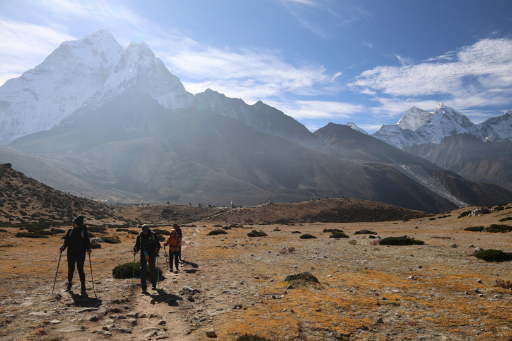
Planning a trek to Everest Base Camp can feel overwhelming. There are questions about cost, safety, altitude, and logistics. Many trekkers worry about whether they are fit enough or how to organize everything properly.
This guide will walk you through exactly how to trek Everest Base Camp with clarity and confidence. You will learn the best time to go, what the weather is like, a standard itinerary, costs, packing essentials, and how to handle altitude. Everything is explained in a simple and practical way so you can make informed decisions.
Whether you are trekking solo or with a guide, this article helps you understand what to expect on the trail. By the end, you will have a clear roadmap to plan your Everest Base Camp Trek in Nepal without confusion.
Best Time to Trek Everest Base Camp
Choosing the right season is one of the most important decisions.
- Spring (March to May): Stable weather, clear skies, and blooming rhododendrons. This is one of the best times to trek. Temperatures are moderate and views are excellent.
- Autumn (September to November): The most popular season. Clean air after monsoon gives sharp mountain views. Trails are busy but conditions are reliable.
- Winter (December to February): Very cold, especially at night. Fewer trekkers and quiet trails. Suitable if you can handle freezing temperatures.
- Monsoon (June to August): Heavy rain, slippery trails, and poor visibility. Flights to Lukla often get delayed. Not recommended for most trekkers.
Weather on the Everest Base Camp Trek
Weather changes quickly in the Himalayas. You need to be prepared for variation.
- Lower regions (Lukla to Namche): Mild temperatures with relatively comfortable conditions. Daytime can feel warm, around 10°C to 15°C, while nights are cooler but still manageable.
- Mid regions (Tengboche to Dingboche): Temperatures become cooler and winds increase. Daytime ranges from 5°C to 10°C, and nights often drop below freezing.
- Higher regions (Lobuche to Base Camp): Cold and dry conditions dominate. Daytime temperatures stay around 0°C to 5°C, while nights can fall below -10°C.
- Wind and visibility: Mornings are usually clear with the best mountain views. Clouds tend to build up in the afternoon, so starting early each day helps you enjoy better visibility.
Standard 14-Day Everest Base Camp Itinerary
This is the most common itinerary that balances trekking and acclimatization.
Day 1: Fly to Lukla (2,860 m) and trek to Phakding
Day 2: Trek to Namche Bazaar (3,440 m)
Day 3: Acclimatization day in Namche
Day 4: Trek to Tengboche (3,860 m)
Day 5: Trek to Dingboche (4,410 m)
Day 6: Acclimatization day in Dingboche
Day 7: Trek to Lobuche (4,940 m)
Day 8: Trek to Everest Base Camp (5,364 m), return to Gorak Shep
Day 9: Hike Kala Patthar (5,550 m), trek to Pheriche
Day 10: Trek to Namche Bazaar
Day 11: Trek to Lukla
Day 12–13: Buffer or return days
Day 14: Fly back to Kathmandu
Hiking Distance
The Everest Base Camp trek is not short, but it is manageable with proper pacing.
- Total distance: about 130 km round trip (80 miles) from Lukla
- Daily walking distance: 8 to 15 km
- Daily walking time: 5 to 7 hours
The challenge comes more from altitude than distance. You gain elevation gradually, which makes the trek achievable for most people.
What to Bring
Packing smart makes a big difference. Focus on essentials.
- Base layers and thermal wear: These help regulate your body temperature and keep you warm by trapping heat close to your body.
- Insulated jacket: A down or synthetic jacket provides warmth in cold conditions, especially in the evenings and at higher altitudes.
- Waterproof jacket and pants: These protect you from rain, snow, and wind as weather can change quickly in the mountains.
- Trekking pants and shirts: Lightweight and breathable clothing helps you stay comfortable during long walking days.
- Good quality trekking boots: These provide ankle support and grip on uneven trails and reduce the risk of injury.
- Warm socks: They keep your feet warm and help prevent blisters during long hikes.
- Day backpack (20 to 30 liters): Used to carry daily essentials like water, snacks, and extra layers while trekking.
- Sleeping bag rated for cold weather: Necessary for cold nights in teahouses, especially above Namche Bazaar.
- Trekking poles: These help with balance and reduce strain on your knees, especially during descents.
- First aid kit: Important for handling minor injuries, blisters, and basic medical needs.
- Water purification tablets: These allow you to safely drink water from local sources and avoid buying bottled water.
- Sunscreen and lip balm: They protect your skin from strong UV rays at high altitude.
- Headlamp: Useful for early morning starts, late arrivals, or power cuts in teahouses.
- Power bank: Helps charge your devices since charging points are limited and often cost extra.
- Reusable water bottles: Essential for staying hydrated and reducing plastic waste on the trail.
Keep your pack light. Porters usually carry duffel bags, but you still carry your daily essentials.
Trekking Costs
The cost of trekking to Everest Base Camp varies depending on how you plan it.
- Budget trek: USD 900 to 1,200
- Mid-range guided trek: USD 1,200 to 2,000
- Luxury trek: USD 2,500 and above
Typical expenses include permits, accommodation, food, guide and porter, and flights to Lukla.
On the trail, you should carry around NPR 20,000 for personal expenses like snacks, WiFi, charging, and showers.
Lukla Flights
The flight to Lukla is a key part of the journey and often one of the most memorable experiences of the trek. Most flights operate from Kathmandu or Manthali, depending on the season and air traffic conditions. The flight usually takes about 25 to 30 minutes and offers impressive views of the Himalayan range.
However, weather conditions in the mountains are unpredictable, and delays or cancellations are quite common. Clouds, wind, or poor visibility can affect flight schedules at any time. Because of this, it is important to keep at least 1 to 2 buffer days in your itinerary to avoid disruptions to your overall travel plan.
Solo or Guided
Both options are possible, and the choice depends on your experience, confidence, and travel style.
A solo trek gives you full flexibility. You can walk at your own pace, adjust your itinerary, and make decisions freely along the trail. It is usually more affordable since you do not pay for guide services. However, it requires strong planning, navigation skills, and the ability to handle unexpected situations on your own.
A guided trek offers a safer and more structured experience. A guide manages logistics, helps with navigation, and supports you in case of emergencies. You also gain deeper cultural insights through local knowledge and interaction. While it costs more, many trekkers find the added safety and convenience worth it.
Accommodation and Amenities
Accommodation on the Everest Base Camp trek is simple but comfortable.
- Guesthouses (teahouses): Accommodation along the trail is mainly in local guesthouses known as teahouses. These offer simple rooms with twin beds, basic bedding, and shared bathrooms in most locations. As you go higher, facilities become more basic, but they remain comfortable enough for resting after a long day of trekking.
- Food: You will find a wide variety of meals along the trail, including dal bhat, noodles, rice, soups, and simple fried dishes. Many teahouses also serve basic Western options like pasta, pancakes, and eggs. Food becomes simpler and more expensive as you go higher due to transport challenges.
- Showers: Hot showers are available in most lower villages and some mid-altitude stops. As you go above Namche Bazaar, hot showers are limited and usually cost extra. Water may be solar-heated or gas-heated, so availability depends on weather and demand.
- Charging: Charging facilities are available in teahouses, but they usually charge a fee per device or per hour. Electricity is often powered by solar energy at higher altitudes, so charging can be slow or limited. Carrying a power bank is highly recommended.
- WiFi and internet: Internet is available in many teahouses through paid WiFi services. However, the connection is often slow and unreliable, especially at higher elevations. It is best to inform family in advance and not rely on constant connectivity.
How Difficult is the Trek?
The Everest Base Camp trek is considered moderate to challenging, mainly due to the altitude rather than the terrain. You will be walking for several hours each day, usually between five to seven hours, on a mix of uphill and downhill trails. Some sections are steep and physically demanding, especially as you gain elevation.
As you go higher, the air becomes thinner, which makes breathing more difficult and slows your pace. Even simple walking can feel tiring at high altitude. However, the trek does not require any technical climbing skills. With good physical fitness, a steady pace, and proper acclimatization, most people can complete the trek successfully.
Altitude Sickness
Altitude sickness is the biggest challenge on this trek and something every trekker must take seriously. As you climb higher, air pressure drops and oxygen levels decrease, which makes it harder for your body to function normally.
Common symptoms include headache, nausea, dizziness, fatigue, and loss of appetite. These symptoms usually appear when your body struggles to adjust to the altitude.
The best way to prevent altitude sickness is to ascend slowly and follow a proper itinerary with acclimatization days. Staying well hydrated, eating properly, and avoiding alcohol also help your body adapt better to the conditions.
If symptoms become severe or do not improve, the safest and most effective solution is to descend to a lower altitude immediately. Ignoring symptoms can lead to serious health risks, so it is important to listen to your body at all times.
Conclusion
Trekking to Everest Base Camp is a rewarding journey that combines physical challenge with incredible scenery. With the right preparation, it becomes achievable for many people.
This guide has shown you how to trek Everest Base Camp step by step. From choosing the right season to understanding costs and altitude, every part of the journey requires thoughtful planning.
Take your time, prepare well, and respect the mountain environment.